


Medical
Optimizing Medical Devices, Drug Development, and Biomedical Modeling
Better Patient Outcomes in Medical Devices, Drug Development, and Biomedical Modeling
Corvid HPC delivers high-performance computing purpose-built for simulation-heavy engineering workflows in the medical and healthcare space. Whether you're designing next-gen microfluidic devices, modeling biological systems, or optimizing pharmaceutical processes, our bare-metal cloud platform gets your team from prototype to breakthrough, faster.


Why Choose Corvid HPC for Medical Engineering?
Built for Multiphysics Simulation: From microfluidics to implant biomechanics, run complex coupled simulations with tools like COMSOL Multiphysics, Ansys Mechanical software, Simulink, or custom solvers—no setup delays, no cloud guesswork.
Scalable, Preconfigured Compute: Launch large, high-fidelity simulations instantly across CPU or GPU-optimized hardware. Whether you're running patient-specific blood flow models or process optimization for manufacturing, scale up without IT bottlenecks.
Security and Compliance Ready: We support HIPAA-aligned security practices for your patient specific modeling needs.

Simulate complex flows in diagnostic cartridges, drug delivery systems, and lab-on-a-chip platforms using multiphysics tools like COMSOL. Corvid HPC enables large-scale design sweeps across geometries, flow rates, and material properties—speeding innovation from benchtop to bedside.

Corvid’s in-house CAVEMAN software, originally developed for military and sports safety applications, also supports biomedical simulations. Evaluate stress, strain, and failure in skeletal and soft tissue systems—or validate the strength of new implant and prosthetic designs under realistic loading conditions.
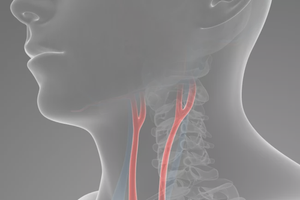
In collaboration with Dr. Joong-Lyul Lee and the University of North Carolina at Pembroke, Corvid HPC supports research into thrombosis modeling for public health. Our platform powers large-scale simulation studies for the North Carolina Collaboratory, helping accelerate predictive models tied to COVID-19 complications and cardiovascular risk.

Process, segment, and classify high-resolution imaging datasets using GPU-accelerated HPC. From tumor detection in CT scans to MRI-based surgical planning, Corvid HPC supports AI/ML-enhanced workflows for faster, more accurate diagnosis.

Run massive molecular dynamics and virtual compound screening simulations with HPC tools like GROMACS or custom workflows. Rapidly refine lead compounds, predict interactions, and reduce bench time in early-stage drug development.

Use HPC to simulate pharmaceutical processes, validate mixing, heating, and transport models, and ensure consistent formulation quality. Optimize manufacturing workflows before scale-up using physics-based modeling—minimizing waste, cost, and risk.
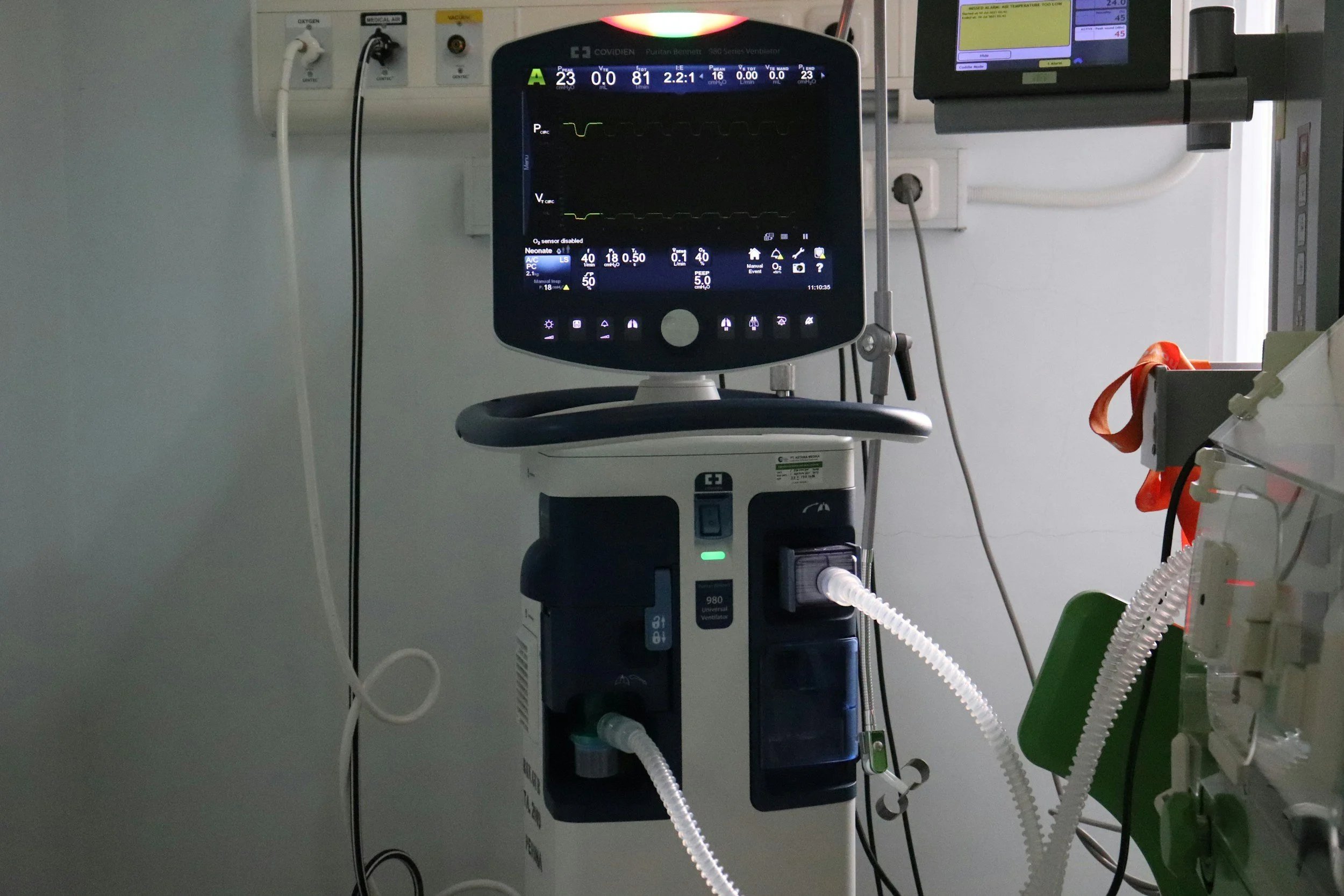
Solve tough wearable design challenges like thermal buildup, wireless interference, and sensor-body interaction with high-fidelity simulation. Corvid HPC accelerates workflows in Ansys Mechanical software, HFSS, COMSOL, and more—helping medtech teams design smarter, safer, and more connected devices at scale.